
How Tax Increment Financing Closes the Gap
Why do some sites sit undeveloped for 20 years while identical parcels a mile away fill in without any help at all? Usually it is not vision and it is not zoning. It is basis. In an emerging district, the rents a new building can command will not support what it costs to build, and no amount of enthusiasm changes that arithmetic. The first project into a place like that is the one that has to solve a problem nobody else has had to solve. Tax increment financing is the most useful tool we have found for solving it.
The mechanism is simpler than the acronym suggests. A municipality draws a boundary around an area it wants redeveloped and establishes a community redevelopment agency. Property tax revenue inside that boundary is frozen at its current level. Everything above that baseline, the increment created when new construction raises assessed values, flows back into the district rather than into the general fund. A developer who builds there can apply for a share of the increment their own project generates. No existing revenue is diverted, no new tax is levied, and if nothing gets built there is no increment to argue over.
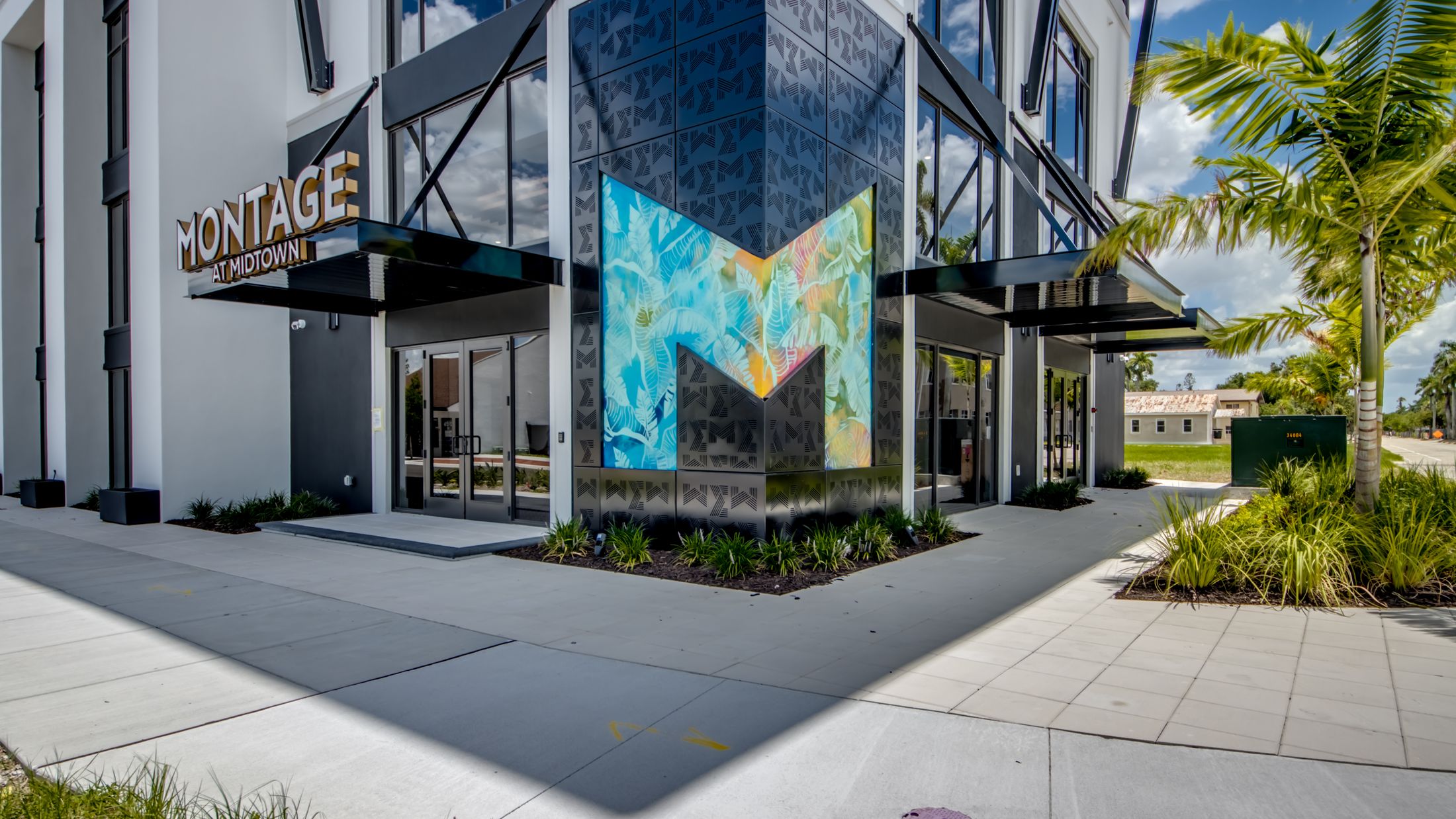
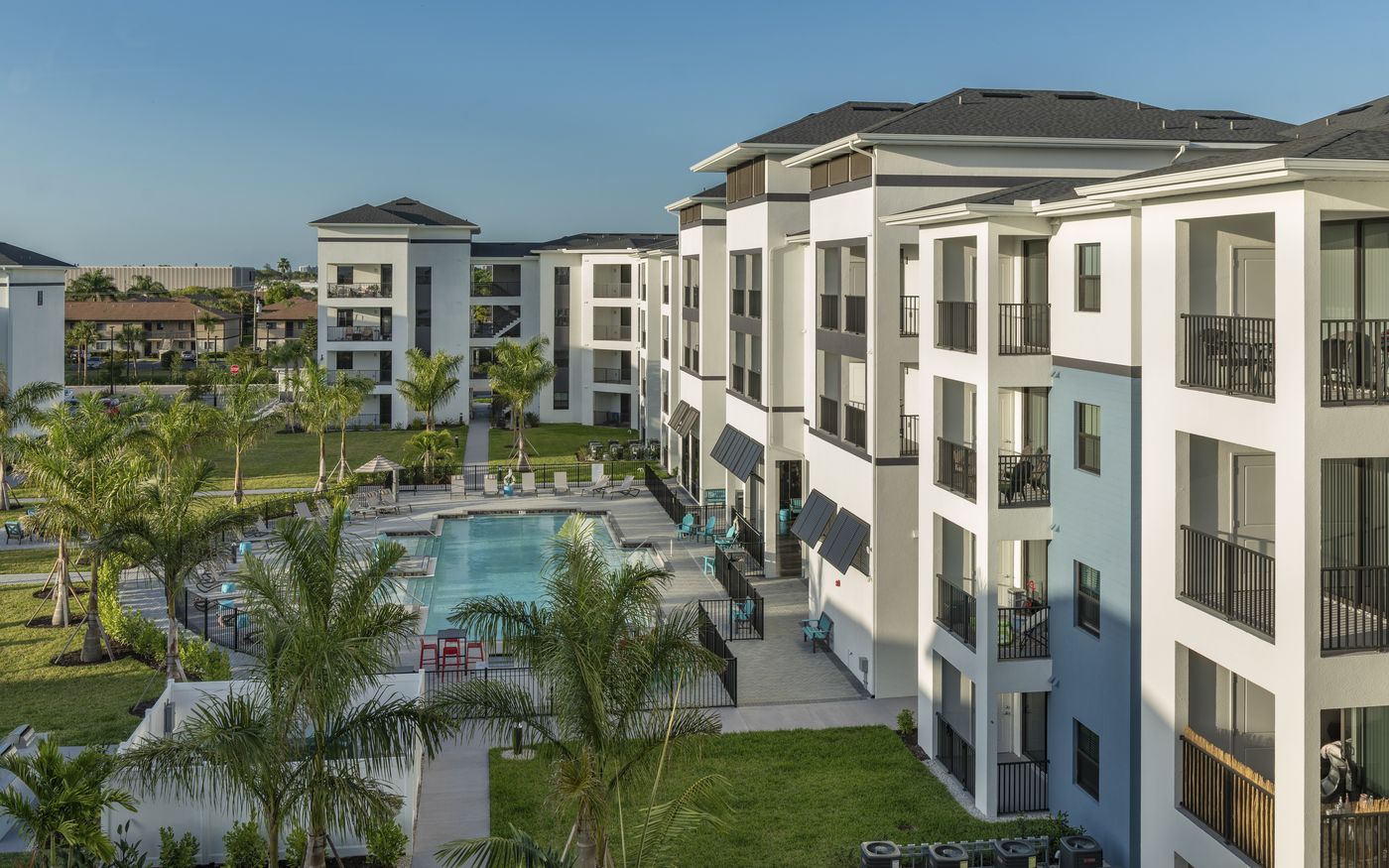
Montage at Midtown is the clearest example in our portfolio. Midtown is the City of Fort Myers’ top redevelopment priority, and it had been a priority for a long time without much to show for it. We worked with the Community Redevelopment Agency to structure $16.4 million of tax increment financing and $2 million in impact fee waivers against a $100 million project. That participation is what moved 321 Class A apartments and more than 20,000 square feet of amenity space from a plan into a delivered building. Without it the project does not pencil, and the district keeps waiting.
The tool takes different shapes depending on what a jurisdiction can offer. At Grand Central we combined increment financing with impact fee credits and nutrient bank credits, then wrapped the structure in HUD 221(d)(4) 40-year fixed-rate debt. At Hancock Creek we used a synthetic increment structure alongside Live Local Act entitlement and Opportunity Zone equity. At Midtown Yards, a $400 million district, increment financing sits with community development district bonds, a commercial lease subsidy, and stormwater credits. Increment is rarely the whole answer. It is usually the piece that makes the other pieces fit.
None of this is free money, and we do not underwrite it that way. Increment only materializes if the building gets built, leases up, and holds its value, which means the developer carries the performance risk and the municipality pays only for the thing it actually wanted. A deal that closes solely because of the incentive is a deal that should not close. We look for projects where the fundamentals are sound and the gap is one of timing and basis rather than demand, then structure the increment against that specific gap. That discipline is why municipalities keep taking our calls, and it is the difference between a partnership and a subsidy.